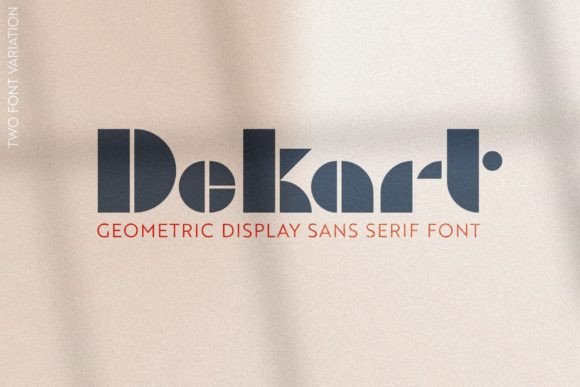
Dekart: A Modern Geometric Font for Creative Expression
In the world of design, typography plays a crucial role in conveying messages and setting the tone of visual content. One font that has been gaining attention is Dekart, a geometric display sans serif typeface that blends modernity with retro influences. Inspired by clear geometric shapes, the sciences, Art Deco, and Bauhaus style, Dekart offers a unique aesthetic that can elevate any design project.
Whether you're working on social media graphics, web design, posters, or branding materials, Dekart provides a versatile solution. Its two forms—bold and outline—allow for flexibility in visual storytelling, making it suitable for both contemporary and vintage-themed projects. This adaptability makes it an ideal choice for designers looking to create cohesive and visually striking content.
Understanding the Needs of Designers
Designers often face challenges when selecting the right font for their projects. The font must not only look good but also serve the purpose of the design. For instance, a bold font might be necessary for a headline, while a more delicate outline could work well for a background element. Additionally, the font should align with the overall theme and message of the project.
For those working on retro-style designs, finding a font that captures the essence of past eras without feeling outdated can be difficult. Similarly, modern designers may struggle to find a font that is both innovative and functional. These challenges highlight the importance of choosing a font that is both aesthetically pleasing and adaptable to various design needs.
How Dekart Can Help
Dekart addresses these challenges by offering a balanced approach to typography. Its geometric structure ensures clarity and readability, while its Art Deco and Bauhaus influences add a touch of sophistication. This combination makes it suitable for a wide range of applications, from digital interfaces to print materials.
The font's PUA encoding is another significant advantage. It allows users to access all glyphs and swashes easily, providing greater control over the design process. This feature is particularly beneficial for designers who want to customize their work and add unique elements to their projects.
Practical Applications of Dekart
One of the most common uses for Dekart is in social media and visual content creation. Whether designing a post for Instagram, Facebook, or Twitter, the font's bold form can make headlines stand out, while the outline version can add depth and interest to background elements. Its clean lines and geometric shapes ensure that it remains legible even at smaller sizes.
In web and UI design, Dekart can enhance user experience by providing a visually appealing and consistent typographic system. Its structured form works well with modern layouts, and its versatility allows it to complement other design elements without overpowering them.
For posters and art collages, Dekart offers a strong visual presence. Its bold variant can be used for titles and headings, while the outline form can be incorporated into background textures or decorative elements. This duality makes it a valuable tool for creating dynamic and engaging compositions.
Branding is another area where Dekart shines. Whether launching a new product, creating a logo, or developing a brand identity, the font's clean and professional look can help establish a strong visual presence. Its ability to blend modern and retro styles makes it suitable for both innovative and traditional brands.
Considerations for Different Users
Designers with different goals and preferences may approach the use of Dekart in unique ways. For example, a designer focused on minimalism might prefer the bold form for its simplicity and impact, while someone working on a more intricate design could utilize the outline form to add texture and detail.
Additionally, users working on retro-themed projects may appreciate the font's Art Deco influence, which can evoke a sense of nostalgia and elegance. On the other hand, those aiming for a modern aesthetic might find the Bauhaus-inspired elements of Dekart to be a perfect fit for their vision.
It's also worth noting that the font's PUA encoding allows for greater customization, making it a practical choice for designers who want to explore creative possibilities. This feature ensures that users can access a wide range of glyphs and swashes, enabling them to tailor the font to their specific needs.
Conclusion
Dekart is more than just a font—it's a powerful tool that can enhance the visual appeal and effectiveness of any design project. Its geometric structure, combined with Art Deco and Bauhaus influences, makes it a versatile choice for a variety of applications. Whether you're working on social media graphics, web design, branding, or retro-style projects, Dekart offers the flexibility and style needed to bring your ideas to life.
By understanding the needs of different users and exploring the practical applications of Dekart, designers can unlock new creative possibilities. With its ease of use and rich set of features, Dekart is a valuable addition to any designer's toolkit, helping to transform concepts into compelling visual experiences.