Waffle Story: A Playful Display Font for Creative Projects
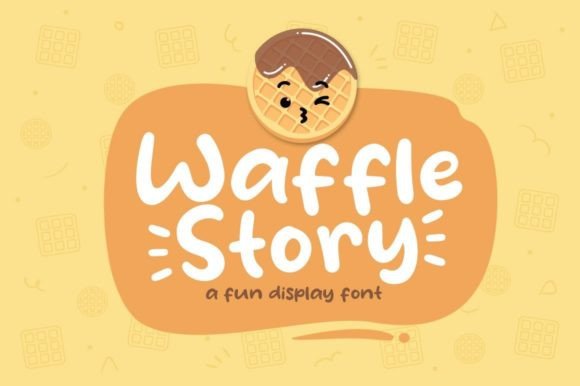
Waffle Story is a distinctive display font designed to bring a sense of fun and whimsy to any design project. Its unique, hand-drawn style makes it ideal for creative applications that require a lighthearted or playful tone. Whether you're working on a children's book, a cartoon-related design, or a game with a casual vibe, Waffle Story can add character and personality to your work.
What Is Waffle Story?
Waffle Story is a custom-designed typeface that features a casual, uneven lettering style. Unlike traditional fonts that follow strict geometric rules, Waffle Story mimics the look of hand-drawn text, giving it a more organic and expressive feel. This font is particularly well-suited for projects that aim to convey a sense of creativity, playfulness, or nostalgia.
The font includes a variety of characters, including uppercase and lowercase letters, numbers, and symbols. Its design allows for easy readability while maintaining a stylized appearance. The irregularity in the strokes and spacing adds visual interest, making it stand out from more conventional typefaces.
Reasons to Consider Waffle Story
There are several reasons why someone might choose Waffle Story for their design work. First, its playful aesthetic makes it an excellent choice for projects targeting younger audiences or those with a casual, fun theme. For instance, if you're creating content for a children's game or a cartoon series, this font can help establish the right tone and mood.
Another benefit of Waffle Story is its versatility. While it’s often associated with playful designs, it can also be used in more sophisticated contexts when paired with other elements. For example, combining it with clean, modern typography can create a balanced and visually engaging layout. This flexibility makes it a valuable tool for designers looking to experiment with different styles.
Benefits and Tradeoffs
One of the main advantages of Waffle Story is its ability to add personality to a design. Its informal look can make a project feel more approachable and engaging, which is especially useful for branding or marketing materials aimed at a younger demographic. Additionally, the font’s unique characteristics can help differentiate a design from others that use more standard typefaces.
However, there are some tradeoffs to consider. Because of its hand-drawn nature, Waffle Story may not be as readable in small sizes or when used extensively in body text. This means it’s best suited for headings, titles, or short phrases rather than long paragraphs. Designers should also be mindful of how the font interacts with other elements in their composition to ensure overall legibility and visual harmony.
Situations Where Waffle Story Excels
Waffle Story is particularly effective in scenarios where a fun, informal tone is desired. For example, it works well for logos, promotional materials, and packaging for products targeted at children or young adults. It can also enhance the visual appeal of social media graphics, posters, or app interfaces that aim to feel more casual and engaging.
In addition, the font is a strong choice for creative projects that involve storytelling or imaginative themes. Whether it’s for a children’s book, a game concept, or a digital illustration, Waffle Story can help reinforce the narrative and emotional tone of the work.
When Alternatives Might Be Better
While Waffle Story has many strengths, there are situations where other fonts may be more appropriate. For instance, if the goal is to create a professional or formal design, a more structured typeface would likely be a better fit. Fonts like Helvetica, Georgia, or Times New Roman offer greater clarity and consistency, making them preferable for business documents, academic publications, or corporate branding.
Similarly, if a designer requires a font that works well across multiple languages or scripts, Waffle Story may not be the best option. Some display fonts are limited in their character sets, which could pose challenges for multilingual projects. In such cases, opting for a more comprehensive typeface would be advisable.
Practical Decision-Making Insights
When deciding whether to use Waffle Story, it’s important to evaluate the specific needs of the project. Ask yourself: What is the intended audience? What tone should the design convey? How will the font interact with other visual elements?
Testing the font in different contexts can also be helpful. Experimenting with various sizes, colors, and layouts can reveal how well it performs in real-world applications. If possible, try using it alongside other fonts to see how they complement or contrast with each other.
Finally, consider the availability of the font. Ensure that it is accessible for the platforms or software you’re using. Some fonts may require licensing or specific tools to implement effectively, so checking these details beforehand can save time and avoid complications later on.
Conclusion
Waffle Story is a versatile and expressive display font that can add a unique touch to a wide range of creative projects. Its playful design makes it ideal for work that requires a lighthearted or imaginative feel. However, it’s important to weigh its benefits against potential limitations, such as reduced readability in certain contexts.
By understanding the strengths and constraints of Waffle Story, designers can make informed decisions about when and how to use it. Whether it’s the perfect fit for a particular project or a suitable alternative to other fonts, Waffle Story offers a distinctive option for those seeking to infuse their work with a sense of fun and creativity.